
How Moss Became the Starting Point of Ecological Restoration
Before there were forests or even soil, moss opened the door to ecosystems.
A Question That Began on a Rooftop
>
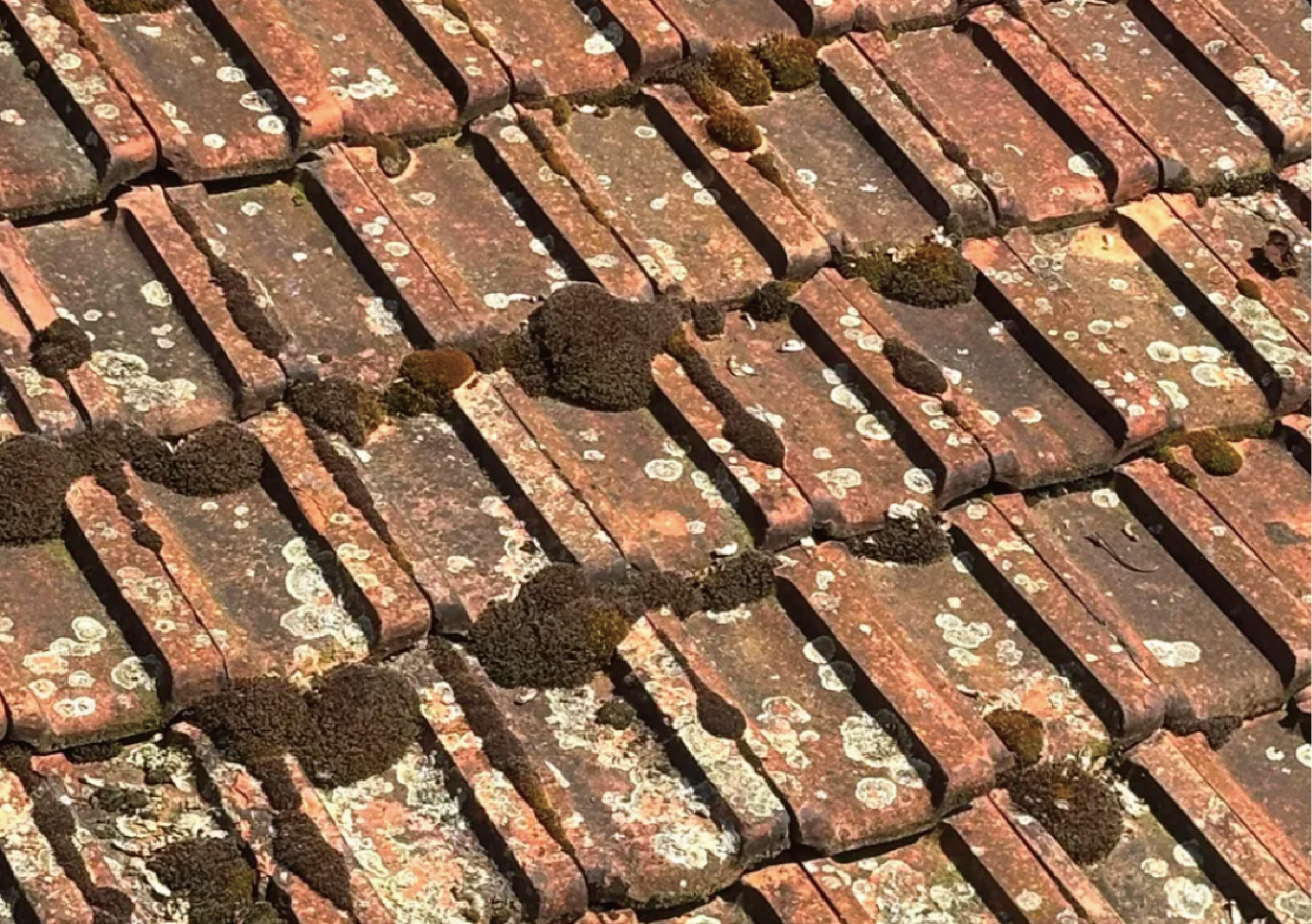
“It was when I had just graduated from high school and started farming in the countryside. One day, I noticed moss growing on the roof of my house. Even under the blazing sun, it was quietly but powerfully alive. To me, it was a small yet striking shock.”
Jaehong Park, CEO of Code of Nature
I had always believed that moss could only grow in damp, shaded places. But there it was, enduring the heat of midday and holding its place without complaint. That moment raised a simple but profound question: What if what I thought I knew about nature was only part of the story?
From that day on, COFN began to look at moss differently. It had always been something easy to overlook. Yet perhaps ecological recovery begins with life forms exactly like this—small, resilient, and persistent. For COFN, moss became the starting point of ecosystem restoration.
The First Plants to Set Foot on Land
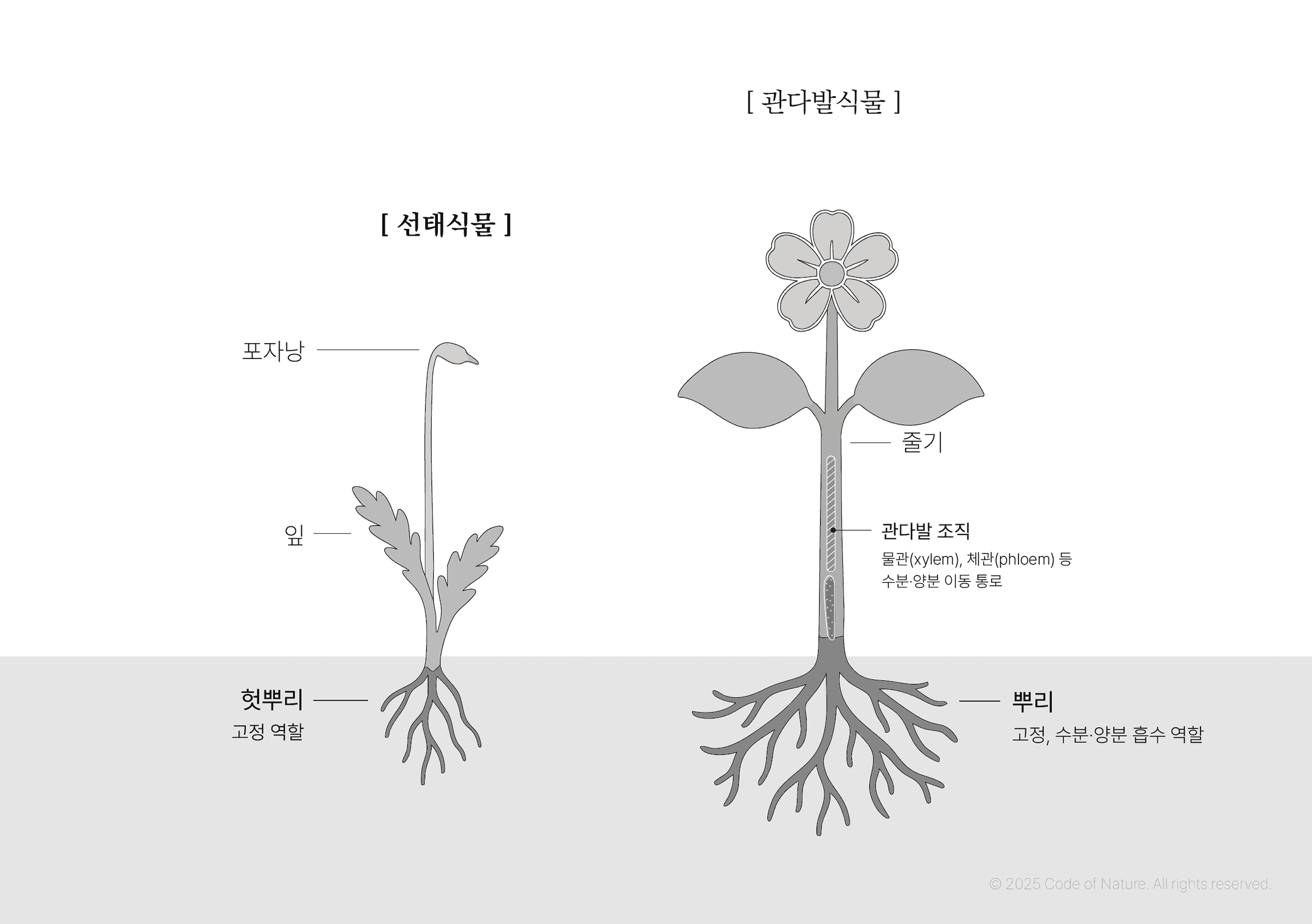
As we began to see moss in a new light, we came across a remarkable fact: moss belongs to one of the earliest plant lineages to colonize land on Earth.
When people think about Earth’s history, they often imagine periods like the Jurassic or Cretaceous. But long before those eras, there was the Precambrian—a time when forests, grasslands, and even soil as we know it did not yet exist. And yet, even in that barren world, some of the earliest land plants emerged.
These were bryophyte-like plants, the ancient ancestors of today’s mosses. They had no true roots and no vascular systems, yet they were among the first to adapt to life on land. In doing so, they helped make terrestrial ecosystems possible. Moss is not simply an old plant. It is one of the organisms that helped open the door to life on land.
Small in Size, Powerful in Survival

Moss is typically only 1 to 10 centimeters tall, but within that small form lies a survival strategy refined over hundreds of millions of years.
Unlike most plants, moss does not need deep roots to survive. It can continue photosynthesis and basic metabolic activity using the moisture it absorbs directly from its surroundings. This is one reason why moss can live even where soil is thin—or absent altogether.
Although moss is commonly associated with cool, shaded environments, it can also survive in far harsher conditions. A major reason is its remarkable desiccation tolerance.
When water becomes scarce, moss can suspend much of its metabolic activity and enter a dormant state. When moisture returns, it quickly resumes photosynthesis and growth.
This ability allows moss to endure some of the most extreme environments on Earth—and beyond—including Antarctic ice, desert rock crevices, and even simulated space conditions.
Why Ecosystem Restoration Can Begin with Moss
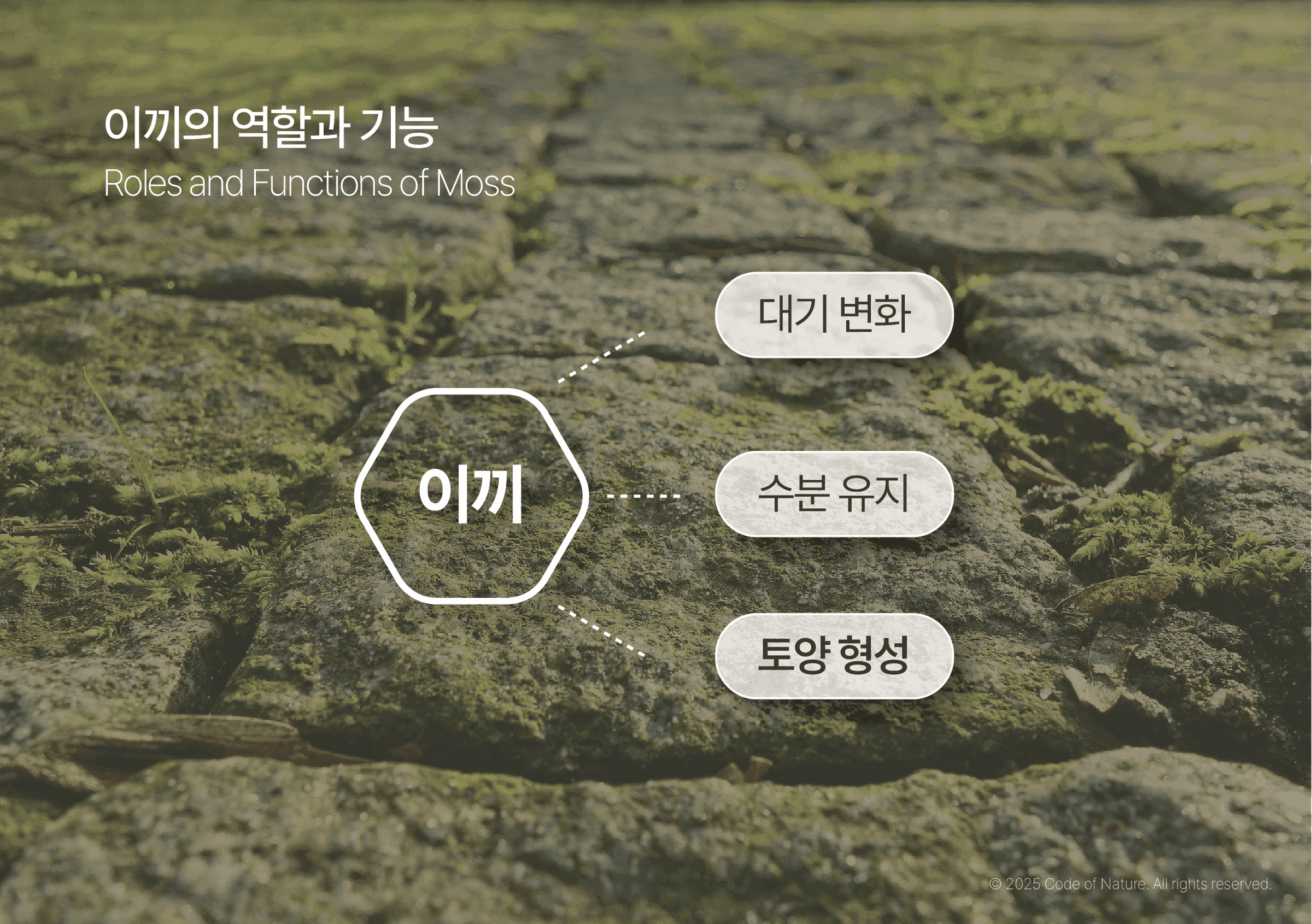
Moss is often one of the first plants to establish itself in extreme environments—bare ground, rock surfaces, cracks in concrete, and other exposed landscapes where few organisms can survive.
That first step matters. Moss does more than simply endure difficult conditions. It helps create the conditions for other life to follow.
It can gradually contribute to the weathering of rock and artificial surfaces, while its own organic matter accumulates and supports the earliest stages of soil formation. In turn, this helps create a habitat where microorganisms, fungi, and eventually larger plants can take hold.
Moss also plays an important role in water retention. It can hold several times its own weight in water, helping regulate local moisture, reduce soil loss, and stabilize the surrounding environment.
Over deep time, moss-like plants may even have influenced the planet’s atmosphere. Research led by Professor Tim Lenton at the University of Exeter suggests that the large-scale spread of early moss-like vegetation may have contributed to rising oxygen levels on Earth by accelerating rock weathering and nutrient cycling. Those processes may have increased marine productivity and long-term carbon burial, which in turn affected atmospheric oxygen.
In other words, moss may look small and quiet, but its ecological role is anything but minor. Moss helps lay the foundation for soil formation, moisture retention, and ecosystem recovery.
Why Did COFN Choose Moss?
At this point, the answer becomes clear. Moss works quietly. It builds the foundation. It prepares the conditions in which other life can grow. That is exactly why COFN chose moss.
Inspired by the ecological role of moss, we design restoration solutions that focus not only on visible greening, but on rebuilding the underlying conditions that make long-term recovery possible.
For us, restoration is not just about turning landscapes green again. It must be supported by standards people can trust and by changes that can be measured. That is why one of COFN’s most important missions is: to make ecosystem restoration measurable, credible, and data-driven.
The recovery we talk about is not a vague ideal. It is change that can be demonstrated through evidence. Guided by this philosophy, COFN continues to design Nature-based Solutions that help degraded land recover in a more resilient and sustainable way.
We create the environmental conditions that allow life to return where life has disappeared. Recovery often begins quietly and on a very small scale. But from that beginning, new hope can take root.
Share this Insight
Recommended Content
World Environment Day: Why Soil Health Matters for Ecosystem Restoration
The clue to ecosystem restoration may be right beneath us
Stories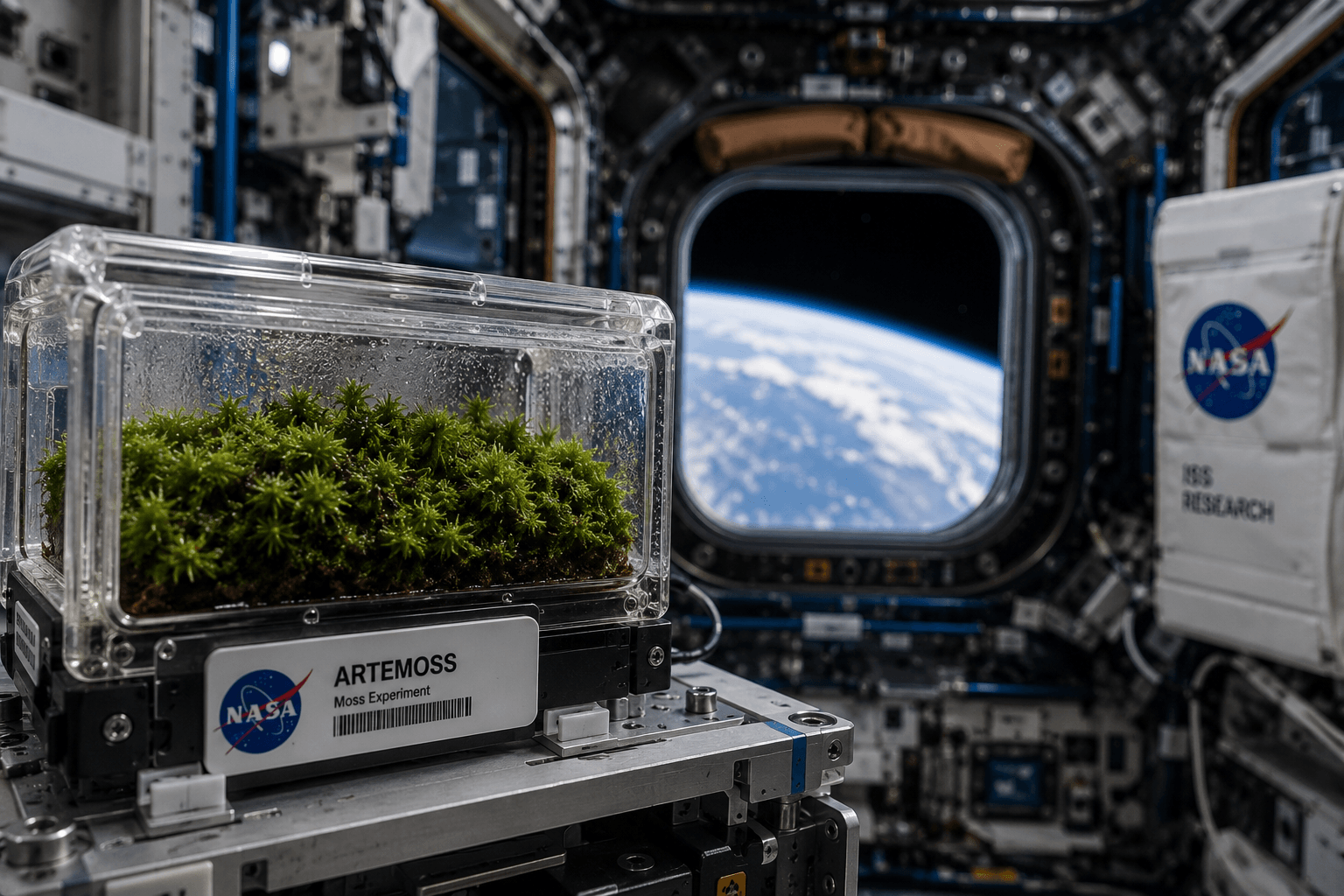
The Tiny Lifeform NASA Took Notice Of: Moss, the Spacefaring Pioneer
NASA’s ARTEMOSS Experiment Sent Moss Into Space
Stories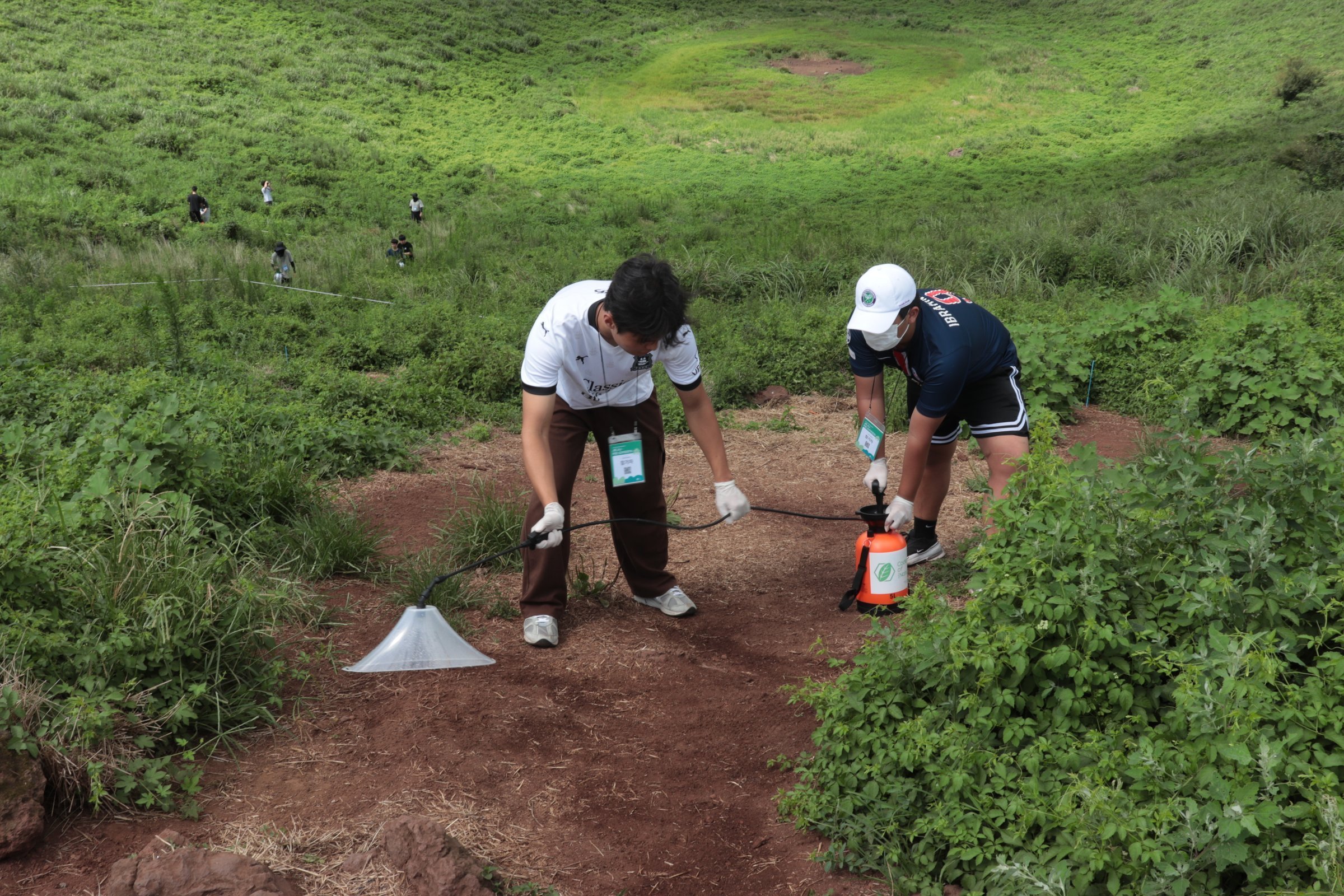
Corporate Giving, One Year Later: Restoring Volcanic Soil on Jeju Island
A community-led soil restoration project featured in AmorePacific's 2025 Sustainability Report
Collaboration