Code of Nature
KO
Code of Nature R&D Center
Corporate R&D Center

Corporate R&D Center

Code of Nature Research Institute

Moss spore cultivation, microbial soil restoration, and data-driven validation — all under one R&D roof.

Code of Nature's Corporate R&D Center advances biological soil restoration through four integrated research domains: moss spore cultivation, MoNS moss-specific nutrient solution, symbiotic microorganism application, and quantitative restoration monitoring.

We translate laboratory research into field-proven technology — developing new scientific standards for restoring degraded land, post-wildfire soil, mine waste areas, and barren terrain using moss and beneficial microorganisms.

About the Lab

A Research Institute Dedicated to Biological Soil Restoration

Code of Nature's Corporate R&D Center is a specialized biotechnology research organization focused on recovering degraded soils and damaged ecosystems through moss-based and microbial biological restoration.

The center conducts integrated research across four domains: selection and mass cultivation of restoration-optimized moss resources; functional microbial research for soil health improvement; development of MoNS, a proprietary moss-specific nutrient and hormone formulation; and data systems for quantitative restoration outcome validation.

Unlike conventional revegetation, Code of Nature's approach simultaneously restores soil surface structure, microbial ecology, moisture retention capacity, and nutrient cycling — creating conditions for lasting ecological recovery.

"Restoration is science, not intuition. Code of Nature validates every outcome with moss, microbes, and data."

Research Areas

Biological Restoration Research Centered on Moss, Microbes & Data

01

Cultivation Condition Optimization

Spore Culture Optimization

Our work begins not with growing moss, but with finding out exactly how to grow it right. The lab selects moss species matched to specific restoration environments, then systematically varies temperature, light intensity, moisture levels, and growth medium composition to identify the optimal germination conditions for each variety.

Cultivation quality is evaluated against three criteria: spore germination rate, protonema propagation speed, and field adaptability of the cultivated material. Iterated experimental data feeds directly into standardized mass-cultivation protocols ready for field-scale deployment.

  • Cultivation condition optimization
  • Germination rate evaluation
  • Protonema propagation protocol
  • Species-specific growth variable analysis
  • Mass cultivation standardization
02

MoNS Formulation Optimization

MoNS Formulation Research

Moss absorbs water and nutrients through its entire leaf surface — it has no vascular system. Code of Nature's R&D Center analyzes this physiology to understand moss-specific absorption patterns, then adjusts MoNS component composition and concentration as controlled variables to find the optimal formulation for each target species.

Four performance metrics drive the research: growth rate, initial soil adhesion, moisture retention, and tissue structural stability. Laboratory results and small-scale field tests are cross-validated in iterative cycles — and each cycle's data directly informs the next refinement of the MoNS formulation.

  • MoNS formulation variable analysis
  • Adhesion performance testing
  • Moisture retention measurement
  • Lab-to-field cross-validation
  • Formulation protocol standardization
03

Symbiotic Microorganism Combination Design

Symbiotic Microorganism Design

The lab collects soil samples from target restoration sites, isolates candidate microorganisms, and uses morphological and molecular biological analysis to identify and screen for functional strains. The focus is not simply applying microbes — it is experimentally verifying which microorganism combinations work synergistically with moss.

Shortlisted strains are tested alongside moss in controlled laboratory-scale restoration models. Soil microbial activity, nutrient cycling indicators, and moss adhesion rate changes are quantified to identify optimal symbiotic combinations — which then inform the design of field-applicable biological restoration materials.

  • Beneficial microorganism isolation & ID
  • Functional strain screening
  • Moss–microbe co-culture experiments
  • Soil microbial activity measurement
  • Symbiotic combination optimization
04

Quantitative Restoration Outcome Validation

Data-driven Restoration Analysis

Technology must be proven in the field, not assumed. Code of Nature's R&D Center builds standardized measurement systems to record before-and-after restoration changes and objectively validate whether restoration outcomes meet defined scientific thresholds.

Drone imagery, satellite data, NDVI vegetation index analysis, soil organic carbon measurement, and time-series microbial activity monitoring are combined to track restoration progress quantitatively. This evidence base does two things: it proves that a technology worked, and it sharpens the design of the next restoration program.

  • Pre/post-restoration quantitative comparison
  • NDVI vegetation index analysis
  • Drone-based field monitoring
  • Soil organic carbon measurement
  • Microbial activity time-series tracking
Research Process

From Laboratory to Field: Our Soil Restoration Research Process

Code of Nature's R&D work does not end in the lab. Every technology we deploy has been tested through the full research cycle — from biological resource selection and cultivation optimization to field application and data-validated outcome analysis.

01

Resource Collection

Moss and microbial resources are collected from environments comparable to the target restoration site.

02

Species Identification & Selection

Morphological and molecular analysis is used to select moss varieties and beneficial microorganisms best suited to soil restoration.

03

Cultivation Optimization

Optimal growth conditions are identified for each species by systematically varying temperature, light, moisture, nutrient formulation, and plant growth hormones.

04

Biological Material Design

Moss spores, MoNS nutrient solution, plant growth hormones, and symbiotic soil microorganisms are combined into field-ready biological restoration materials.

05

Field Application

Biological restoration materials are applied according to site-specific conditions; initial adhesion and spatial dispersal are closely monitored.

06

Quantitative Analysis

Restoration outcomes are assessed using soil health indicators, vegetation recovery data, microbial activity metrics, and NDVI remote sensing analysis.

07

Technology Refinement

Formulation, cultivation, application, and maintenance protocols are continuously improved based on combined laboratory and field data.

Research Infrastructure

R&D Infrastructure for Biological Soil Restoration Technology

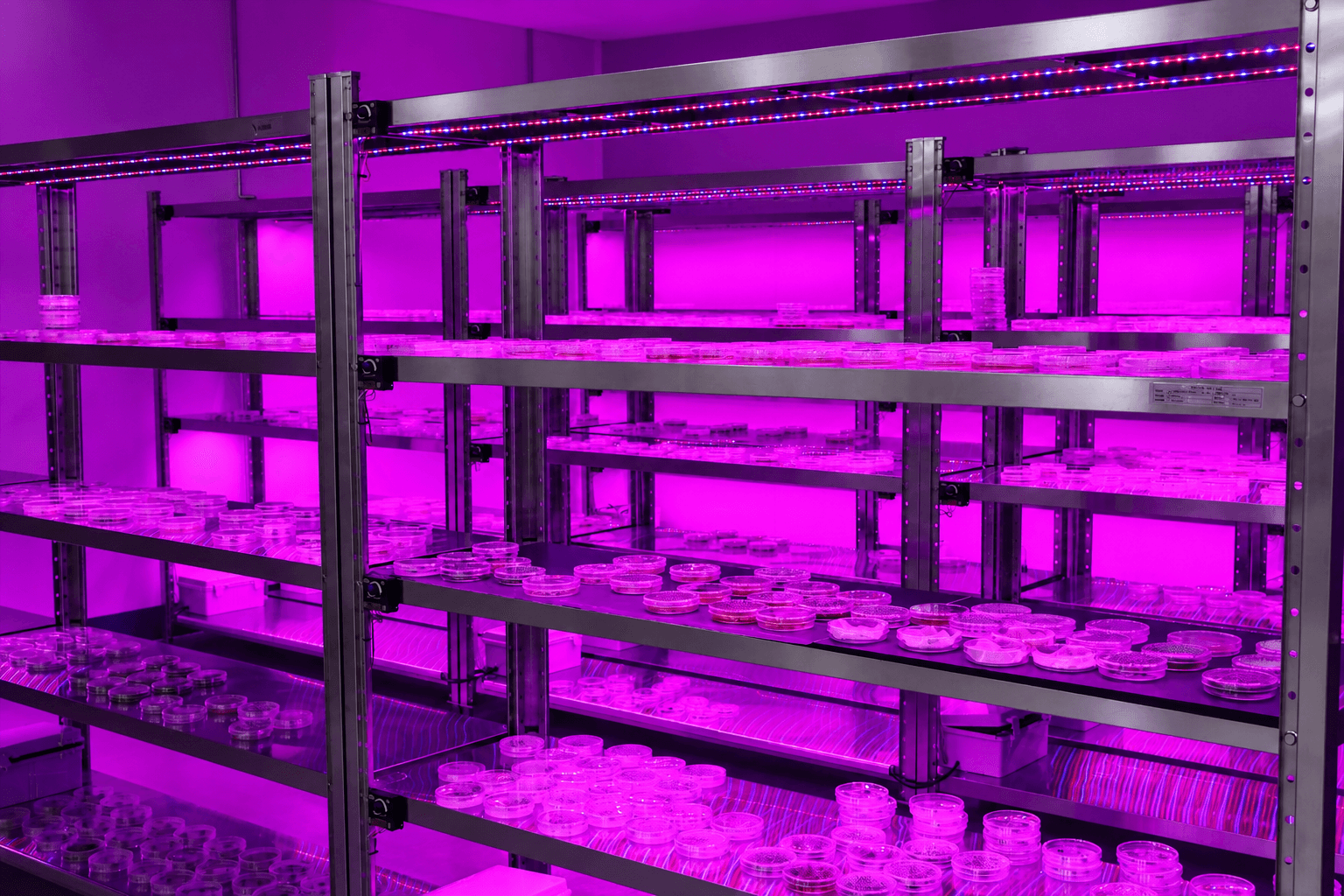
Code of Nature's Corporate R&D Center maintains dedicated research capabilities across moss cultivation, microbial analysis, nutrient formulation, field sample processing, and UAV-based remote sensing — supporting the full development cycle of biological restoration technology.

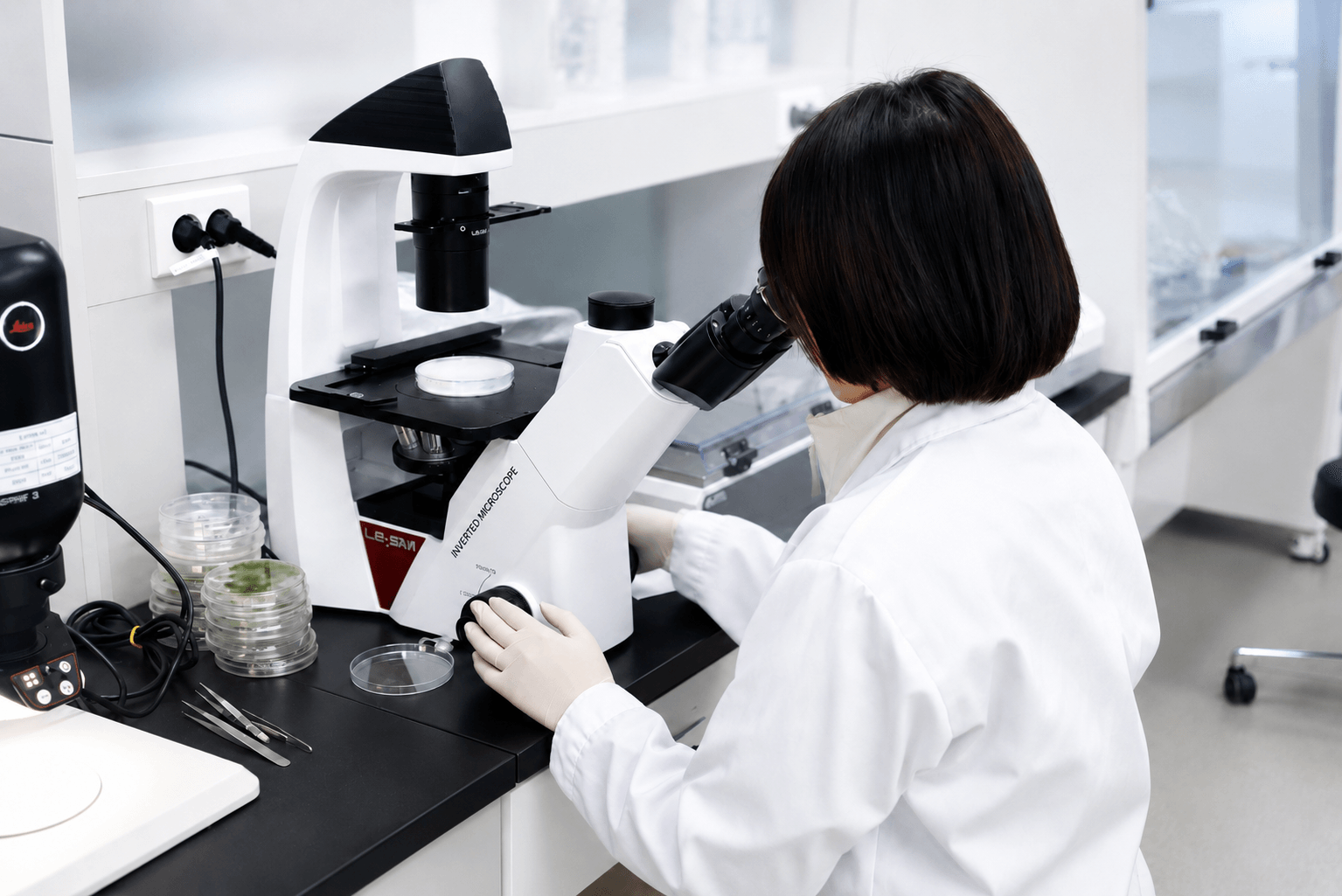
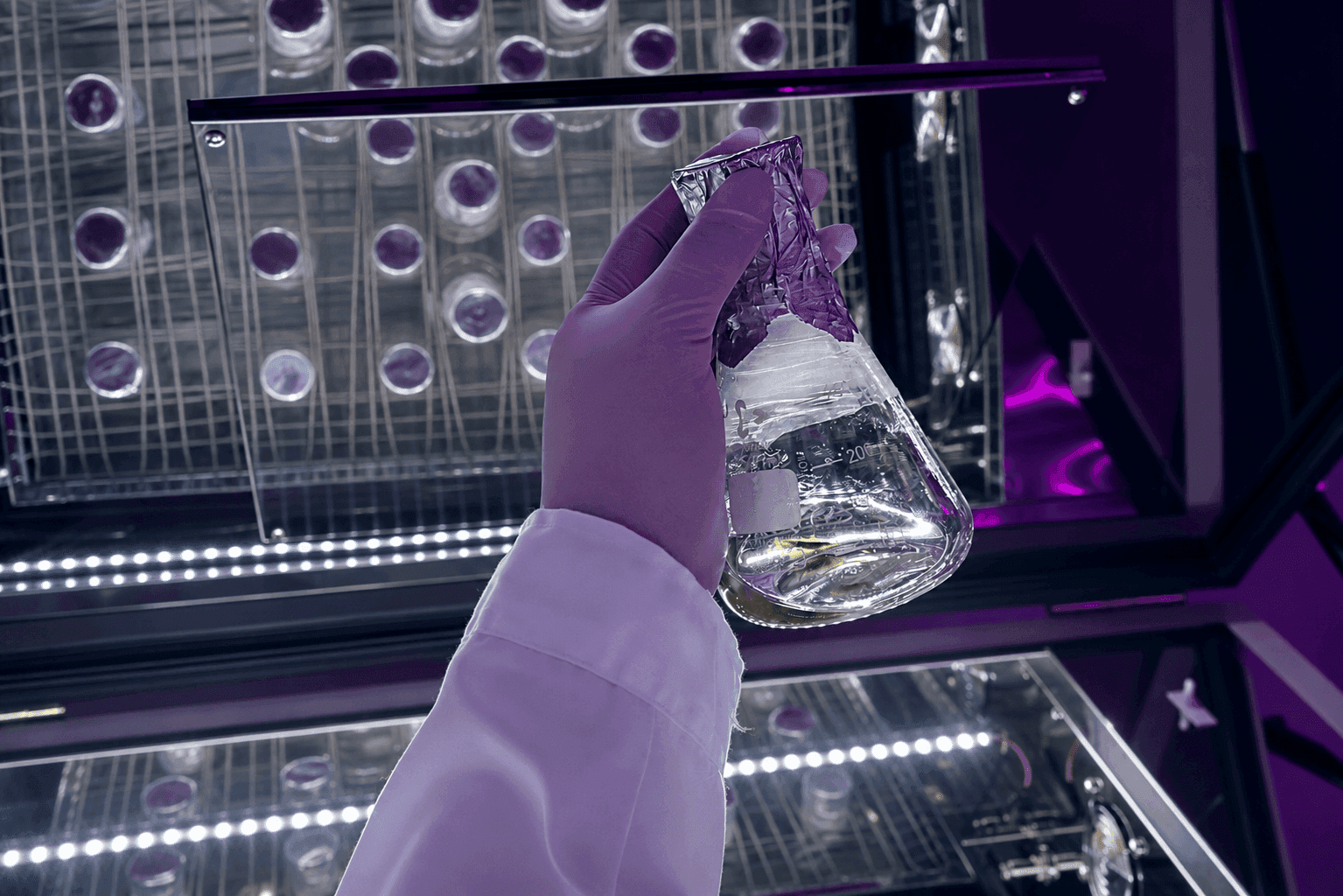
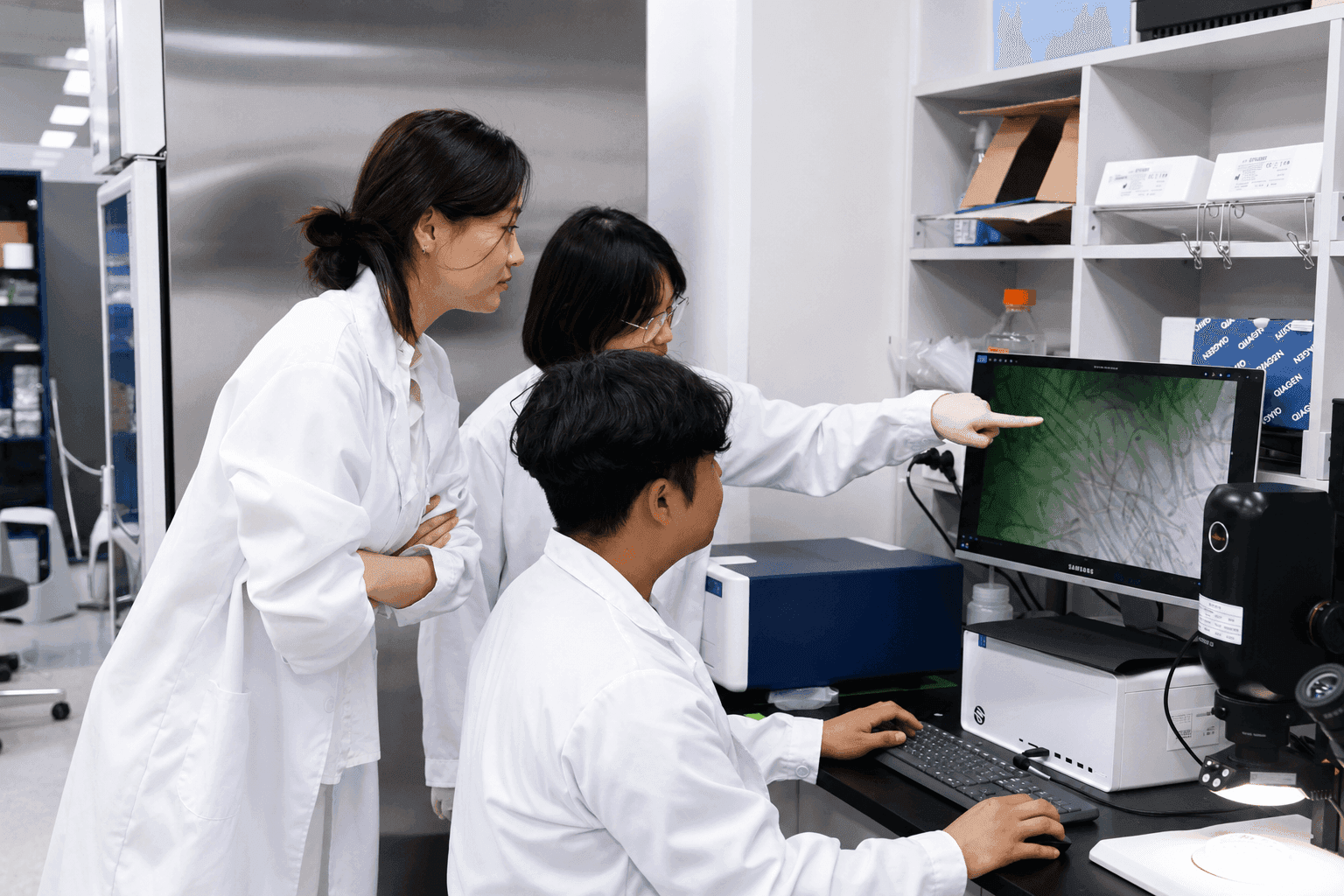
코드오브네이처 연구소 현미경 실험 장면
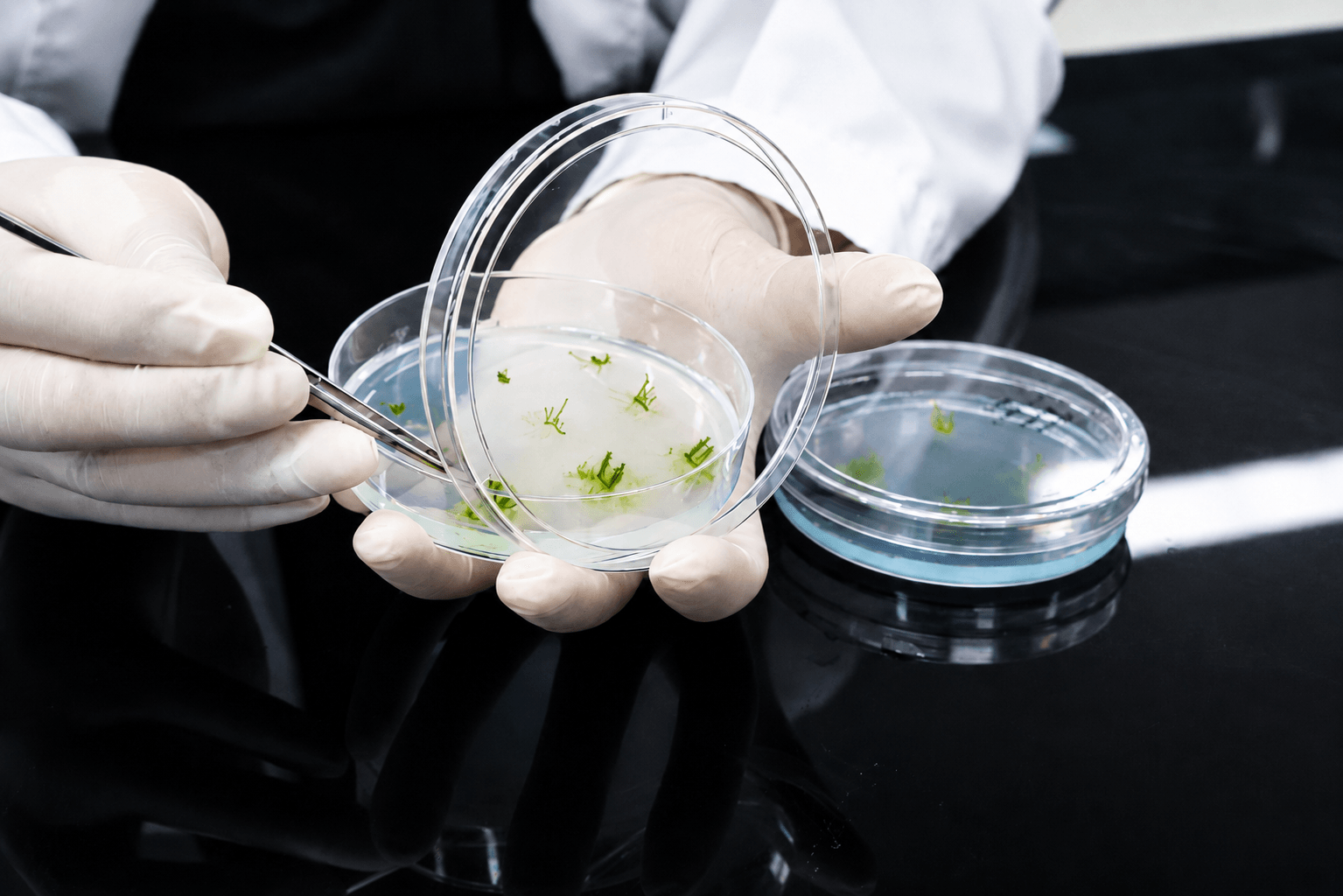
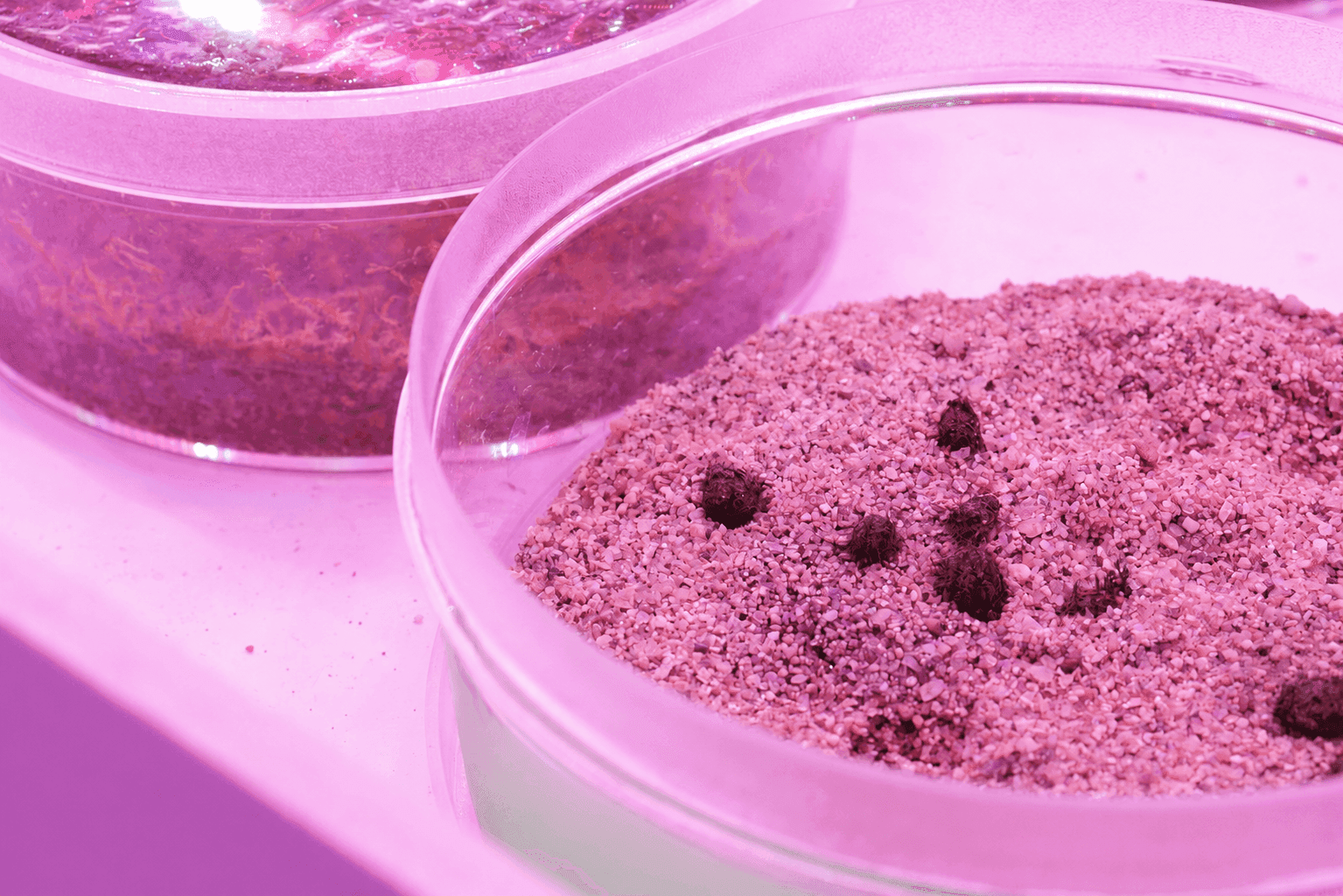
이끼 조직 배양 페트리접시
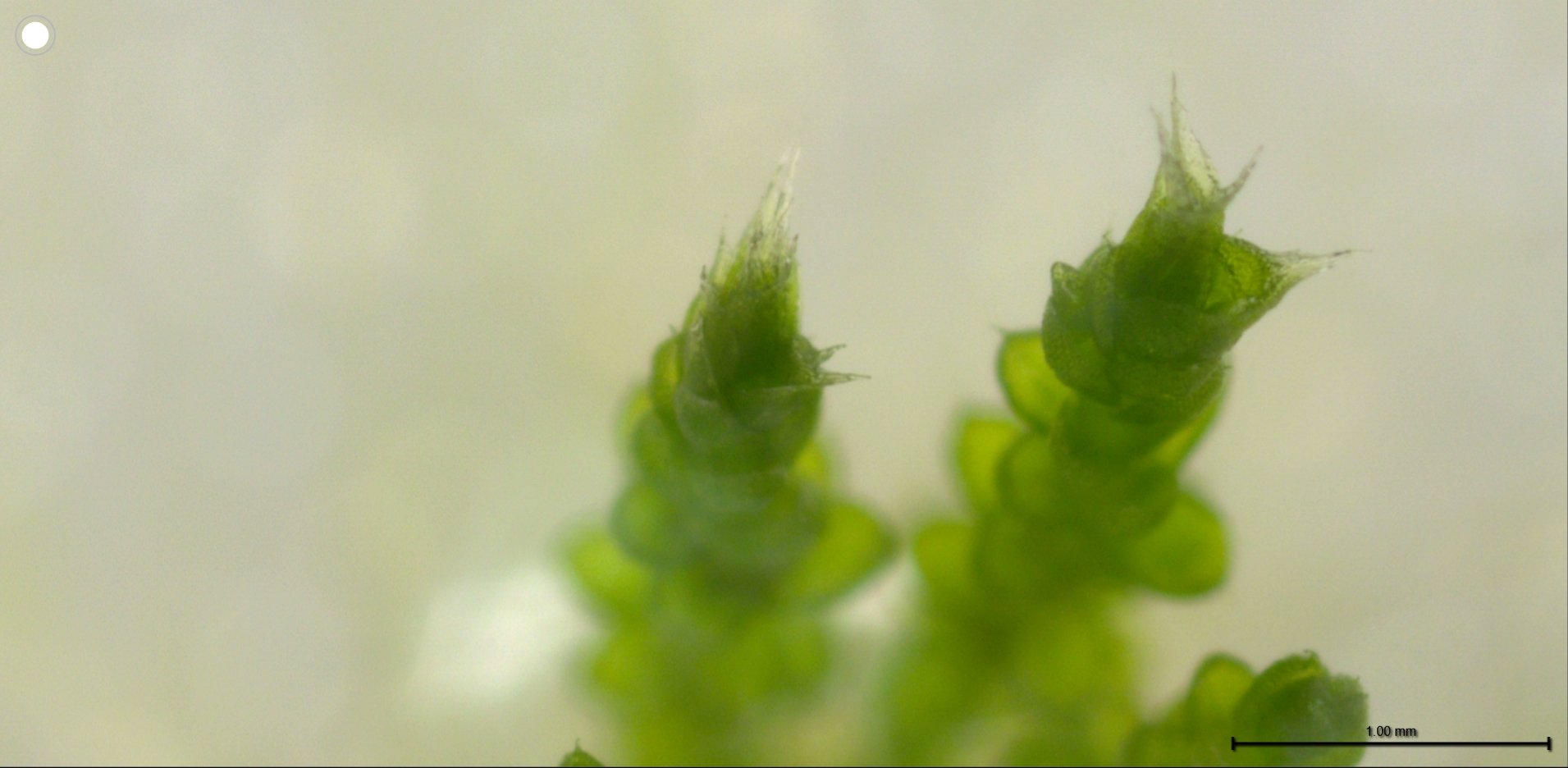
은이끼 배우체 접사

Moss Cultivation Research

Spore germination, protonema propagation, and species-specific growth optimization — advancing scalable moss-based soil restoration technology.

Microbial Research

Isolation, identification, and functional evaluation of beneficial soil microorganisms, including design of moss–microbe symbiotic combinations.

Nutrient Solution & Hormone Research

Formulation research for MoNS and complementary plant growth hormones to maximize moss adhesion, growth rate, and tissue stability.

Field Analysis

Pre- and post-restoration analysis of soil composition, vegetation change, moisture retention, and biological health indicators.

Data & Remote Sensing

Quantitative restoration assessment using UAV imagery, NDVI analysis, and soil carbon and microbial activity datasets.

Research Together. Restore Together.

Code of Nature's Corporate R&D Center actively seeks partners committed to advancing ecological restoration science. Whether your need is joint research, technology licensing, field demonstration, or ESG-aligned restoration projects — we bring biological soil restoration technology to where it is needed most.

Contact Us About Collaboration