
The Tiny Lifeform NASA Took Notice Of: Moss, the Spacefaring Pioneer
NASA’s ARTEMOSS Experiment Sent Moss Into Space
Moss That Has Been to Space
Did you know that the tiny moss we know so well has actually left Earth and been studied aboard the International Space Station (ISS)?
NASA has shown that moss is a lifeform capable of surviving even in space-radiation research environments. Because of this, moss is now gaining attention as an important organism in the study of future space ecosystems.
In this article, we take a closer look at how moss became the subject of a real NASA space experiment, what the ARTEMOSS mission was designed to study, and why this small plant matters for the future of space biology and space agriculture.
When Space Research Met Moss
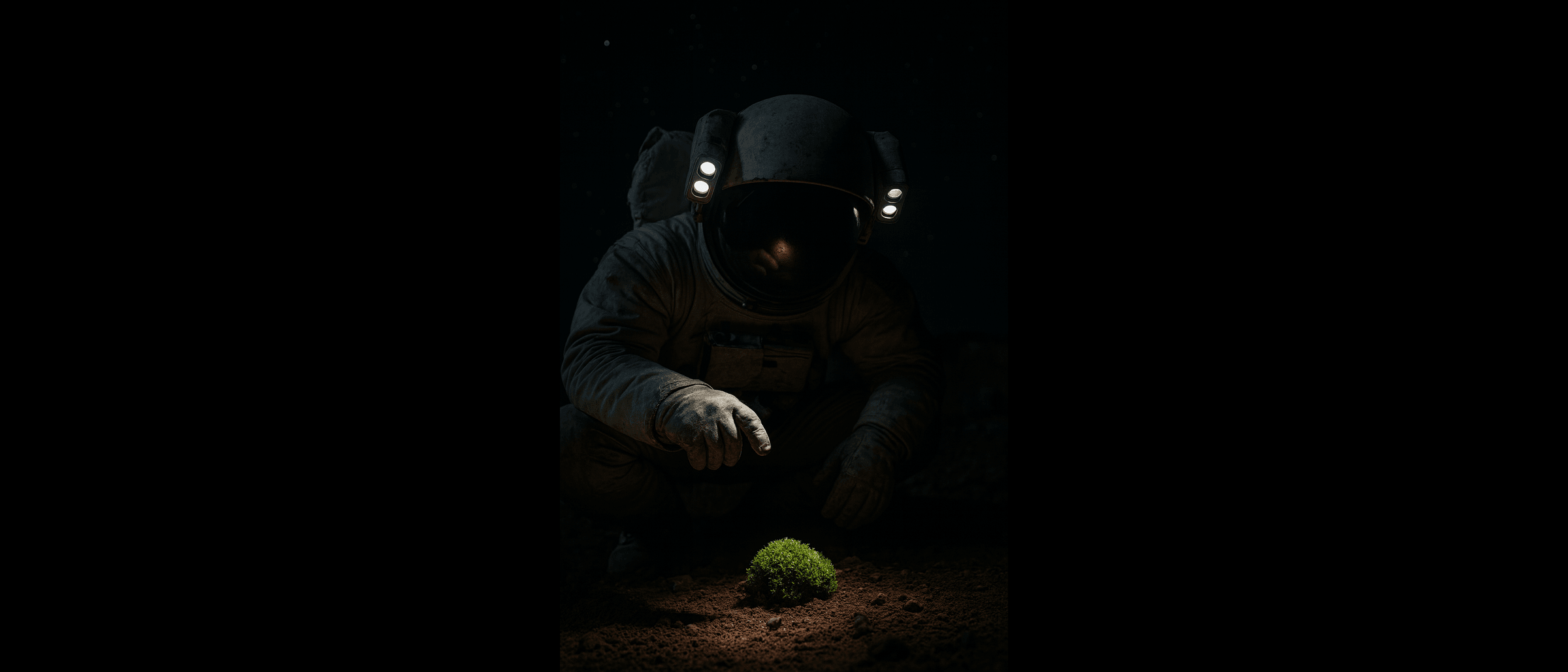
Can life from Earth survive in space?
This question lies at the heart of space environment research. Such experiments explore how living organisms respond and adapt when exposed to the harsh conditions of space. They are essential not only for space exploration, but also for understanding the limits of life itself.
So how did moss become part of that story?
The answer begins with moss’s remarkable ability to adapt.
Over the course of evolution, mosses have survived in some of the harshest environments on Earth, including polar regions where the ozone layer is thinner, alpine ecosystems, and areas exposed to high levels of radiation. NASA paid particular attention to this unusual resilience, especially the possibility that moss may tolerate radiation better than many other plants.
Moss also offers practical advantages as a research organism. It is small, easy to handle, and has a relatively short life cycle. It can also be studied with modern tools such as gene-editing technologies, making it a convenient and powerful model organism.
In other words, moss was an ideal experimental plant: small, tough, and scientifically useful.
The Moss Chosen for the Experiment: Ceratodon purpureus
![Image credit: National Institute of Biological Resources, Biodiversity of Korea [<em>Ceratodon purpureus</em>]](https://www.c-of-n.com/images/insights/nasa-artemoss/nasa-artemoss-4.png)
Among many moss species, one in particular stood out for its resilience: the red roof moss, Ceratodon purpureus.
This was the species selected for NASA’s ARTEMOSS experiment. Small in size, lightweight in spore form, and relatively easy to manage, it was especially well suited for spaceflight research.
Most ordinary plants struggle under the combined stresses of microgravity and radiation. That is one reason why plant-based space radiation research has remained limited. For the ARTEMOSS mission, researchers needed a species that could withstand extreme conditions while still offering meaningful biological data.
That made Ceratodon purpureus one of the strongest candidates.
Now, let us look at how the experiment itself was carried out.
How NASA’s ARTEMOSS Experiment Worked
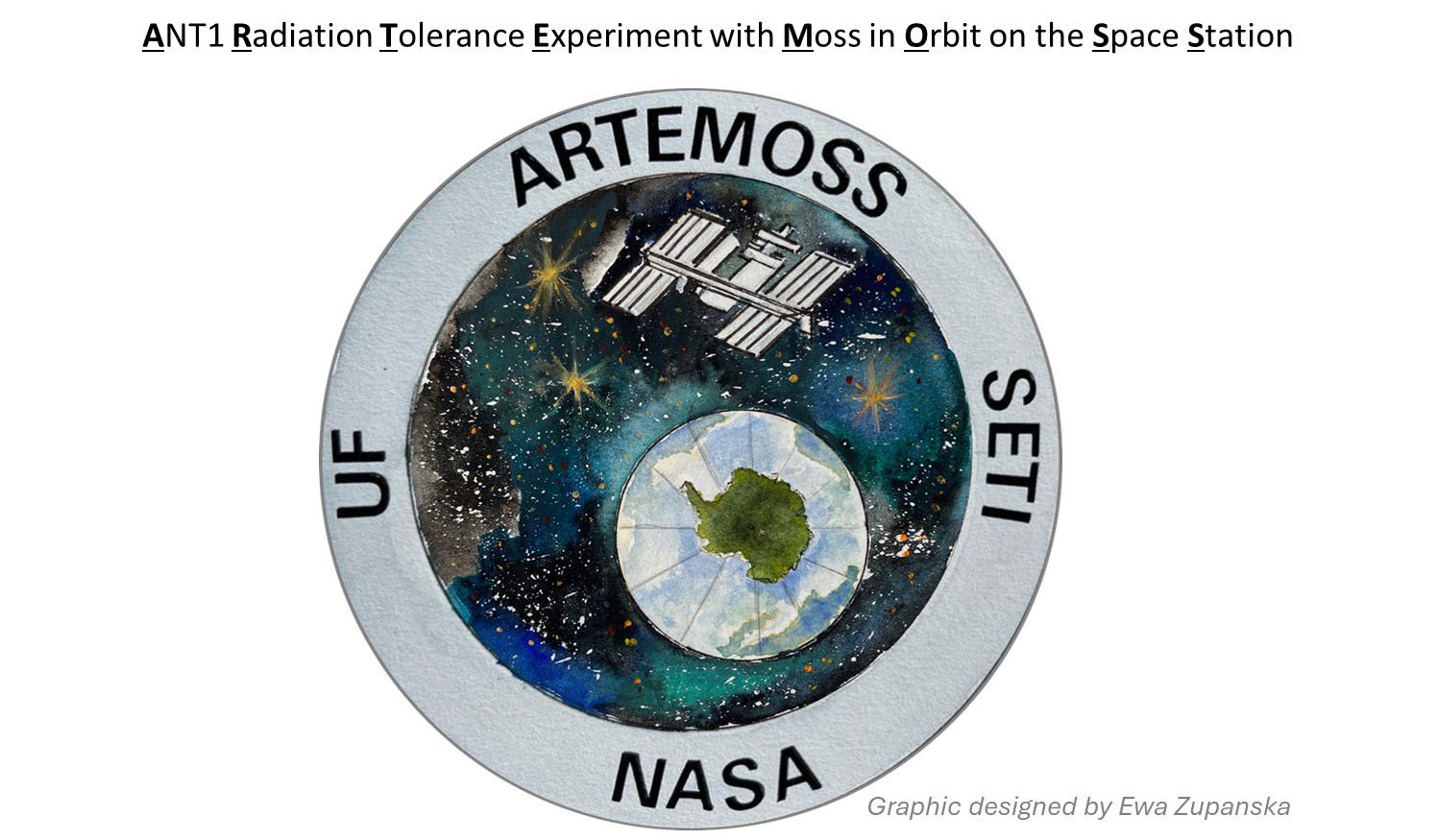
In November 2024, NASA launched a new biological investigation called ARTEMOSS, sending Antarctic samples of Ceratodon purpureus (ANT1) into space. According to NASA’s published materials, the experiment was designed to examine how moss responds to radiation exposure and microgravity aboard the ISS.
The experimental process worked roughly as follows:
1. The moss was first cultured in small Petri dishes.
2. It was then exposed on Earth to high-energy ion radiation at NASA’s Space Radiation Laboratory.
3. Some samples were analyzed on the ground, while others were packed under cold conditions and sent into space.
4. After arriving at the ISS, the moss was observed under microgravity conditions for a set period.
5. The samples were later deep-frozen, stored in specialized freezers, and returned safely to Earth for further analysis.
Through this design, researchers were able to study how space radiation and microgravity affect plant survival, recovery, and biological response.
So, did moss survive space?
Moss That Crossed the Boundary Between Earth and Space
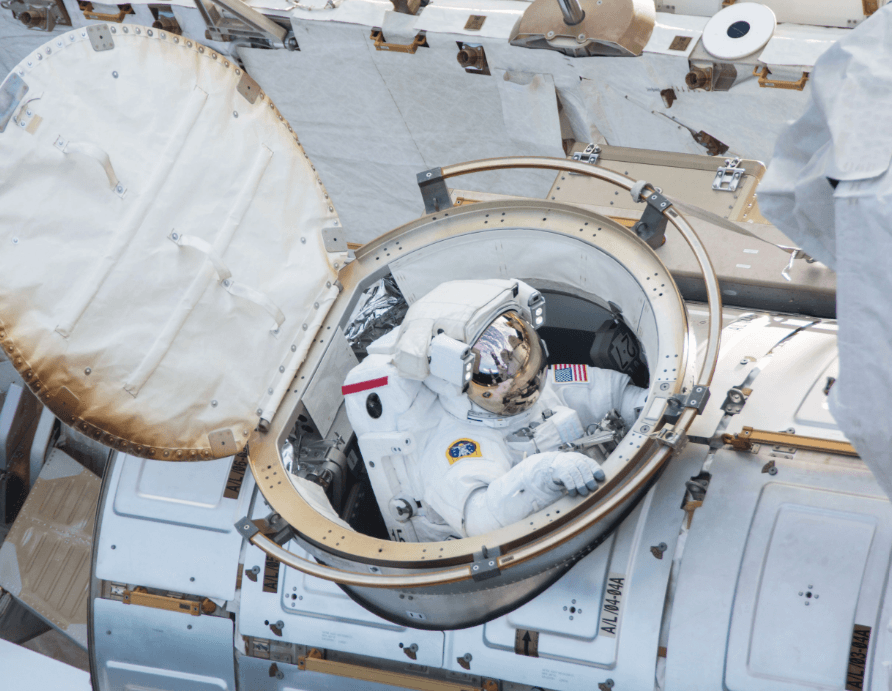
The answer is yes.
According to NASA’s public project reporting, the moss samples completed the ARTEMOSS mission successfully, remained viable, stayed visibly green, and were returned safely to Earth for continued analysis.
What makes this especially interesting is that the experiment was never just about whether moss could simply “stay alive.” Researchers are also examining how the moss responded biologically, including changes related to physiology, growth, and gene activity. NASA’s public materials indicate that imaging and transcriptomic analyses are ongoing, which means more detailed findings may still emerge.
Most importantly, ARTEMOSS suggests that moss may have real potential as a pioneer species in future space ecosystems, including environments such as lunar or Martian habitats.
For such a small plant, that is a very large possibility.
The Future of Space Agriculture—and Moss
![ⓒ Scott, R. (Director). (2015). <em>The Martian</em> [Film]. 20th Century Fox.](https://www.c-of-n.com/images/insights/nasa-artemoss/nasa-artemoss-3.png)
Moss is now becoming more than just an experimental organism. It is increasingly seen as a possible model for the future of space agriculture.
And these experiments are not only meaningful for outer space. They also matter here on Earth. As climate change creates harsher and more degraded environments, space biology can help us think differently about which organisms are best suited to survive, adapt, and prepare the ground for other life.
Think of the film The Martian.
In the movie, astronaut Mark Watney struggles to survive on Mars by growing potatoes in an unforgiving landscape. But what if moss had come first? What if a pioneer organism had already begun buffering the soil, stabilizing moisture, and making the environment slightly more hospitable?
Then perhaps not only potatoes, but a wider range of crops, could eventually take root.
If moss continues to prove itself in space research as a pioneer lifeform that can support future plant growth, then the idea of growing crops on Mars may become less like fiction and more like a long-term scientific possibility.
Perhaps, someday, moss will not just sit in the background of a Mars story.
It may become one of the first living actors on that stage.
Did COFN Also Study Moss and Lunar Soil?
Interestingly, Code of Nature has also conducted research using lunar soil simulant and moss.
Like NASA, we are exploring whether a small and resilient lifeform such as moss might hold clues for sustainable ecological restoration and future bio-based systems.
If you would like to learn more, take a look at our related research below.
Share this Insight
Recommended Content
World Environment Day: Why Soil Health Matters for Ecosystem Restoration
The clue to ecosystem restoration may be right beneath us
Stories
How Moss Became the Starting Point of Ecological Restoration
Before there were forests or even soil, moss opened the door to ecosystems.
Stories
Corporate Giving, One Year Later: Restoring Volcanic Soil on Jeju Island
A community-led soil restoration project featured in AmorePacific's 2025 Sustainability Report
Collaboration