_%23323232.png)
코드오브네이처에는 매달 마지막 주 금요일마다 모두가 함께하는 ‘금요팅’ 문화가 있습니다.
양산 본사와 서울 지사로 나뉘어 있다 보니, 서로의 생각과 리듬을 맞추는 시간이 꼭 필요하거든요. 보통은 온라인으로 만나 COFN과 팀 문화에 대한 이야기를 나누지만, 지난 6월 금요팅은 조금 달랐는데요.
전 팀원이 순천으로 1박 2일 워크숍을 다녀왔답니다!
.png)
코드오브네이처 팀

치열한 결투의 과정과 결과
As we began to see moss with new eyes, we soon encountered a remarkable truth: moss is among the first plants to ever appear on land. When thinking of Earth’s early history, most people imagine the Jurassic or Cretaceous periods. But there is a much earlier time called the Precambrian era, when even the concept of nature barely existed. There were no forests, no grasses, and not even soil as we know it.During this barren time, the first lifeforms made their way onto land. They were part of a group of plants known as bryophytes, the ancestors of modern mosses. These plants had no roots or vascular systems, but they were the first to adapt to life on land. They made the beginning of ecosystems possible. Moss is not just an ancient plant. It was the key that opened the door to life on land.
.png)
워크숍 숙소
Moss is typically only 1 to 10 centimeters tall, but within its small form lies a survival strategy that has endured for hundreds of millions of years. Moss can live without putting down roots. It survives using only the moisture it absorbs, which powers its photosynthesis and metabolism. This is why it can thrive even in places without soil. While moss usually prefers cool and shaded environments, it can also survive in much harsher conditions. At the heart of this resilience is a physiological trait called Desiccation tolerance*. Thanks to this ability, moss has been found surviving under Antarctic ice, between rocks in deserts, and even in outer space during scientific experiments.

.png)
<우리 팀, 나의 역할>
But this early colonization is more than just survival. It marks the beginning of ecological restoration. Moss releases organic acids* that gradually weather the surface of rocks or concrete. As moss dies and breaks down, it creates leaf litter-rich soil, known as humus*. This organic layer provides a foundation where microorganisms and fungi can grow, eventually making it possible for larger plants to take root.
Moss can also store water up to five times its own weight. This moisture helps regulate humidity, prevent soil erosion, and stabilize the surrounding environment. Beyond its role in soil and water, moss has even impacted Earth’s atmosphere. According to Professor Tim Lenton’s team at the University of Exeter, the widespread growth of moss hundreds of millions of years ago may have increased the planet’s oxygen levels by nearly 30 percent. Early mosses weathered rocks and released nutrients such as phosphates*, which flowed into the ocean. These nutrients boosted the productivity of marine plankton, increasing carbon storage and eventually raising atmospheric oxygen to modern levels.
Though small and often overlooked, moss plays a crucial role in forming soil, conserving water, and shaping the atmosphere. It has long provided a foundation for ecological recovery.
.png)

Protonema of Moss under the Microscope
Now the answer is clear. Moss quietly builds foundations where no one sees, creating the conditions for other life to grow. Inspired by this, COFN designs the groundwork for ecological restoration.That is why we chose moss.We create the foundation that allows nature to heal itself. Restoration is not just about bringing back something green. It requires clear standards and measurable progress. That is why our most important mission is to make restoration something that can be quantified and understood. At COFN, recovery is not a vague slogan. It is a change proven through data.
Every day, we design nature-based solutions grounded in this philosophy. COFN prepares environments where new life can take root in places that have been left barren.
The beginning of recovery is always small and quiet. But in the end, it always leads to new hope.

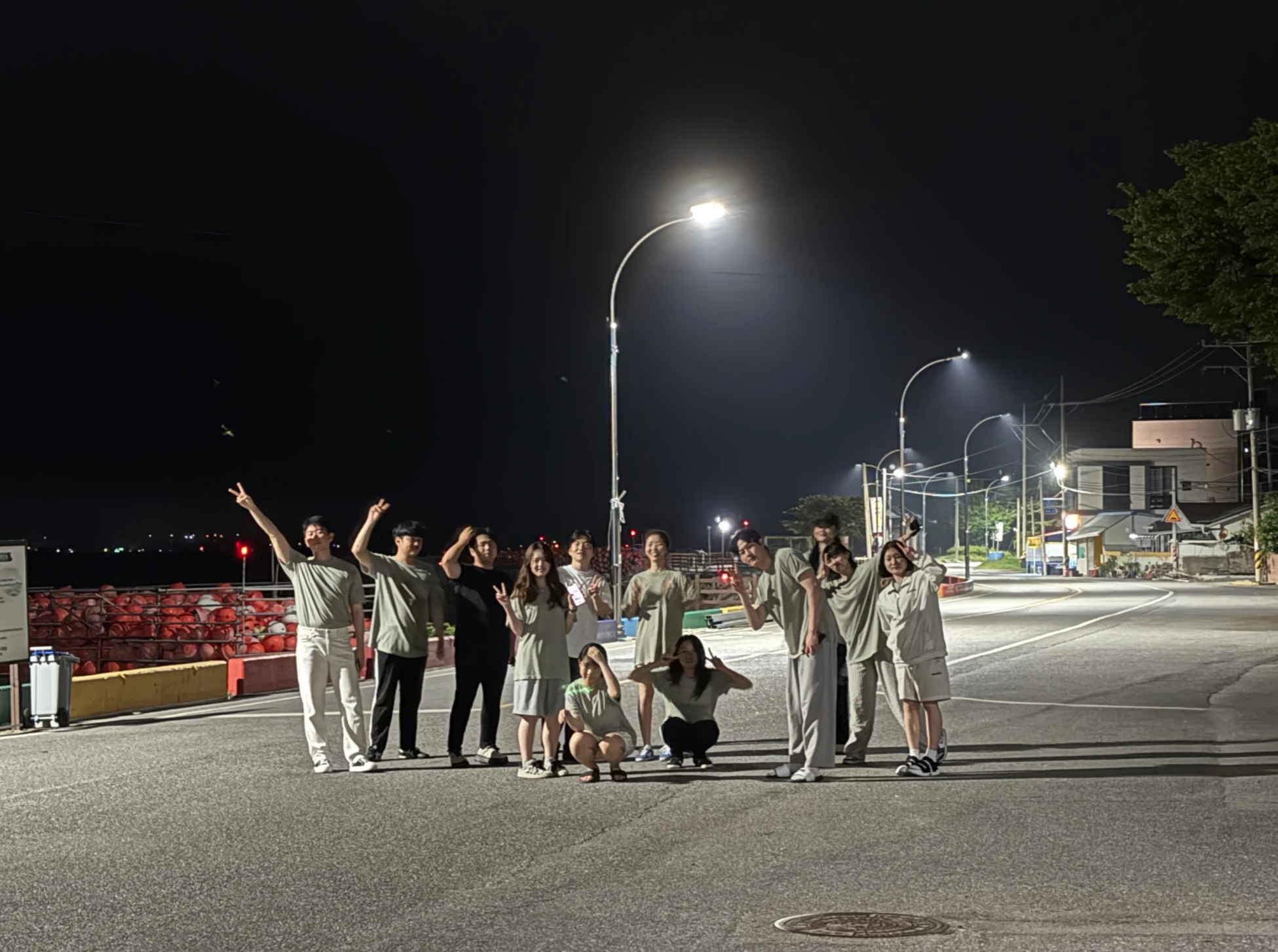
밤바다 산책
모든 일정이 끝난 뒤, 다 같이 숙소 앞 바닷가로 산책을 나섰어요. 불꽃놀이로 ‘COFN’ 이름을 쓰고, 인적 드문 도로를 함께 걸으며 오솔길에서는 무서운 이야기도 나눴죠. 아무 계획 없이 흘러가는 그 시간 속에서 진짜 우리만의 추억이 만들어지는 느낌이었어요. 바닷바람에 웃음소리가 섞이던 그 밤, 함께 걷던 그 순간이 워크숍의 하이라이트였어요.
다음 날 아침엔 순천만국가정원을 찾았습니다. 광활한 갯벌과 갈대밭, 끝없이 펼쳐진 생태 공간은 말 그대로 자연의 경이로움 그 자체였어요. 그 풍경을 보면서 우리가 하고 있는 ‘자연을 되살리는 일’이 얼마나 귀한 가치인지 다시 한번 새길 수 있었어요. 그저 여행지가 아니라, COFN의 비전과 닮은 곳이라 더욱 뜻깊은 시간이었습니다.
.png)
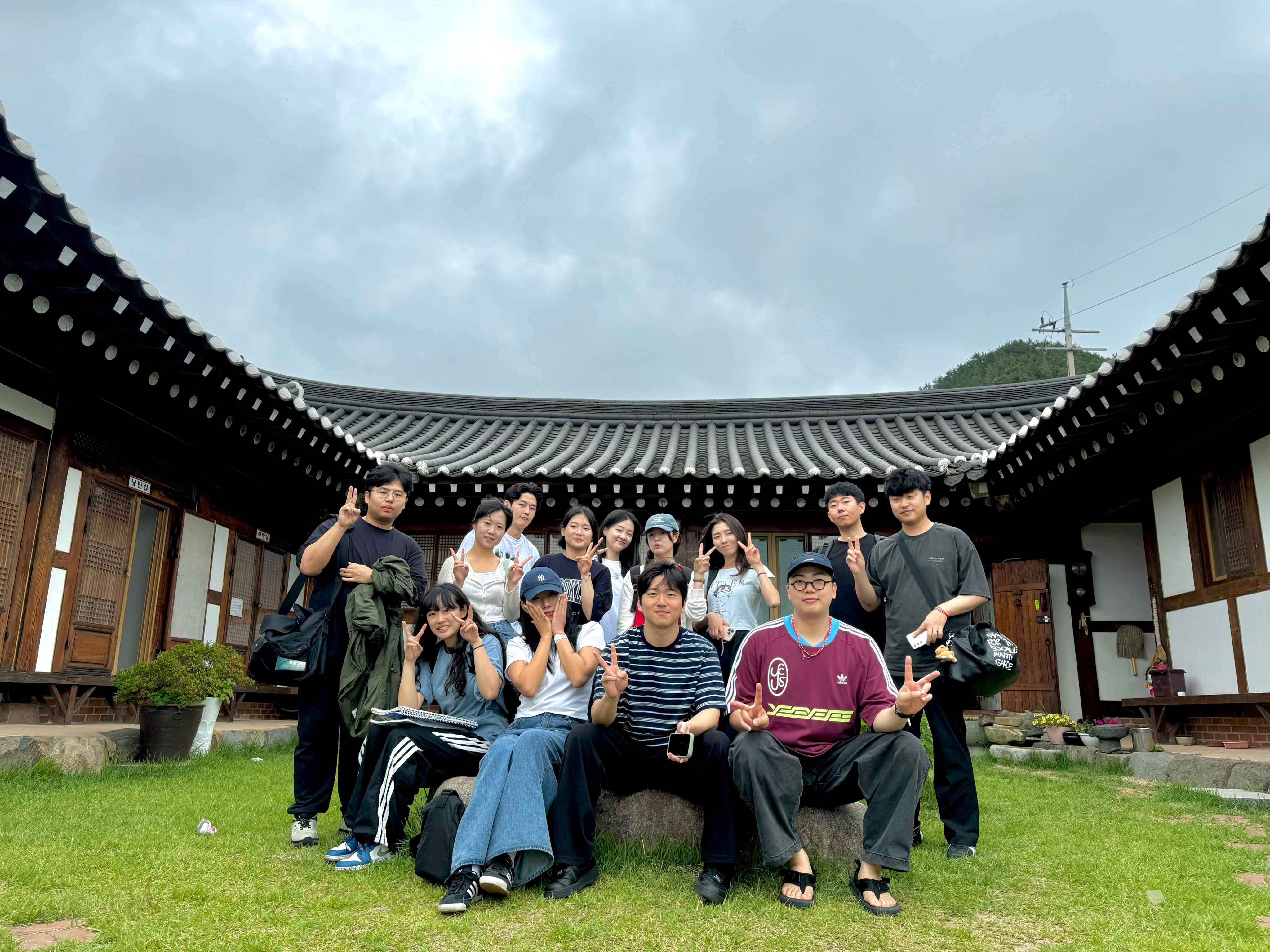
Team. COFN
이번 순천 워크숍은 서로를 더 깊이 이해하고 신뢰를 단단히 쌓은 시간이었습니다. 함께 일하는 사람에 대해 더 잘 알게 되었고, 그만큼 소속감도 끈끈히 다져졌어요. 😊
올겨울, 모든 팀원이 함께 만드는 다음 워크숍은 또 어떤 추억으로 남게 될까요?
Team COFN의 겨울 워크숍 후기도 기대해 주세요!
_%231ed47epng.png)